
Remember
The sermon warns against spiritual stagnation by examining Lot’s wife. Pegah argues that looking back at past comforts or traumas causes believers to become “pillars of salt”—immobile and useless. Congregants are urged to tighten their connection to Christ, leave their comfort zones, and press toward God’s future promises.
In this message, Pegah shares a challenging message on Remembering Lot’s wife and how the greatest days of the Church are ahead of us.
Lot’s wife is one of 170 Women in the Bible, whom Jesus specifically calls us to remember in Luke 17.
26 But Lot’s wife looked back, and she became a pillar of salt.
Gen 19:26
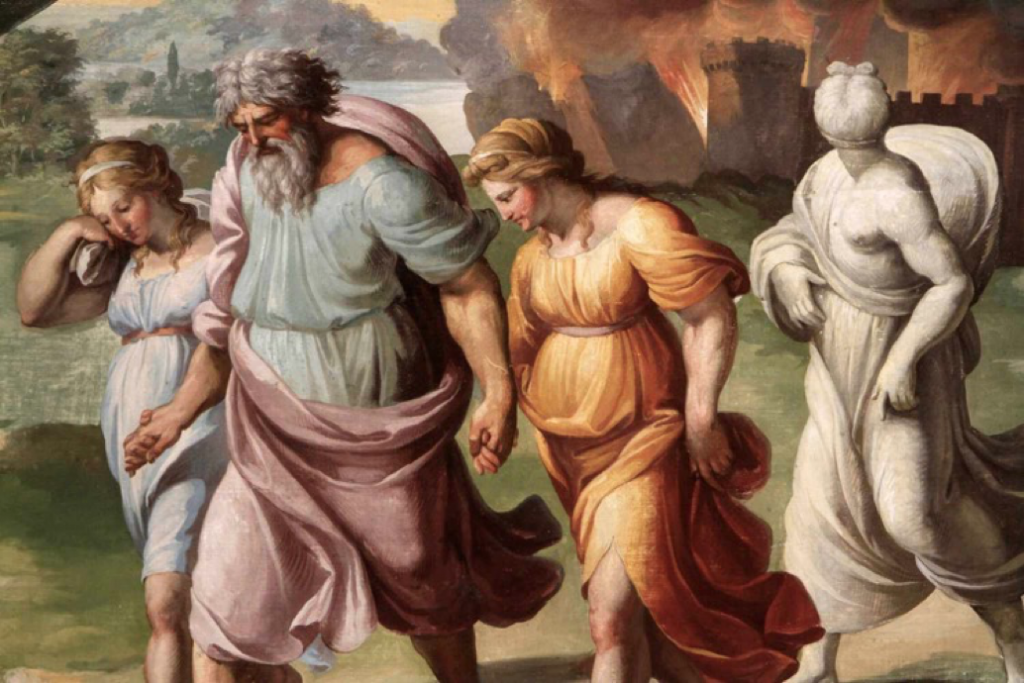
The sermon centers on Luke 17:32, the second shortest verse in the Bible: “Remember Lot’s wife.” The preacher contextualizes this within Jesus’ eschatological discourse (Luke 17:20-34), comparing the end times to the days of Noah and Lot.
Key points derived from the text:
- The Sin of Sodom: Beyond sexual immorality, the Pegah highlights Ezekiel 16:49, noting that Sodom’s guilt included pride, excess of food, and prosperous ease while failing to aid the poor.
- The Danger of Lingering: Just as Lot lingered and had to be led out by an angel, believers often hesitate when called to move.
- The Pillar of Salt: Lot’s wife was on the verge of salvation but became a “pillar of salt” because she looked back. This represents becoming “stuck,” “immobile,” and “useless” rather than being the “active salt” scattered across the earth.
Congregation response
Pegah challenges us all to be a Church that looks forward. Our greatest days are still ahead of us and not behind us:
I might be small but my God is big, I might be limited but my God is Limitless, I might be finite but my God is infinite and He’s able to do exceedingly abundantly above and beyond anything that we could ever ask. Hope for things according to that power that works in our salvation, Remember Lot’s Wife, Don’t Look Back press on forward in Jesus name.
Key Challenges and Action Points:
- Leave the Comfort Zone: Acknowledge the trauma of the pandemic years but refuse to stay stuck in “2019 thinking.”
- Check the Anchor Rope: It is not enough to be anchored in Christ; one must “tie the rope” through prayer and scripture. Doing “nothing” leads to drifting into danger.
- Prioritize Future over Past: Reject the narrative of this generation to stay stuck in discouragement or bitterness.
- Embrace the Unknown: Trust that God is the same in 2023 and beyond. Move forward with the “cross before you and the world behind you.”